ph. Ivana Di Salvo
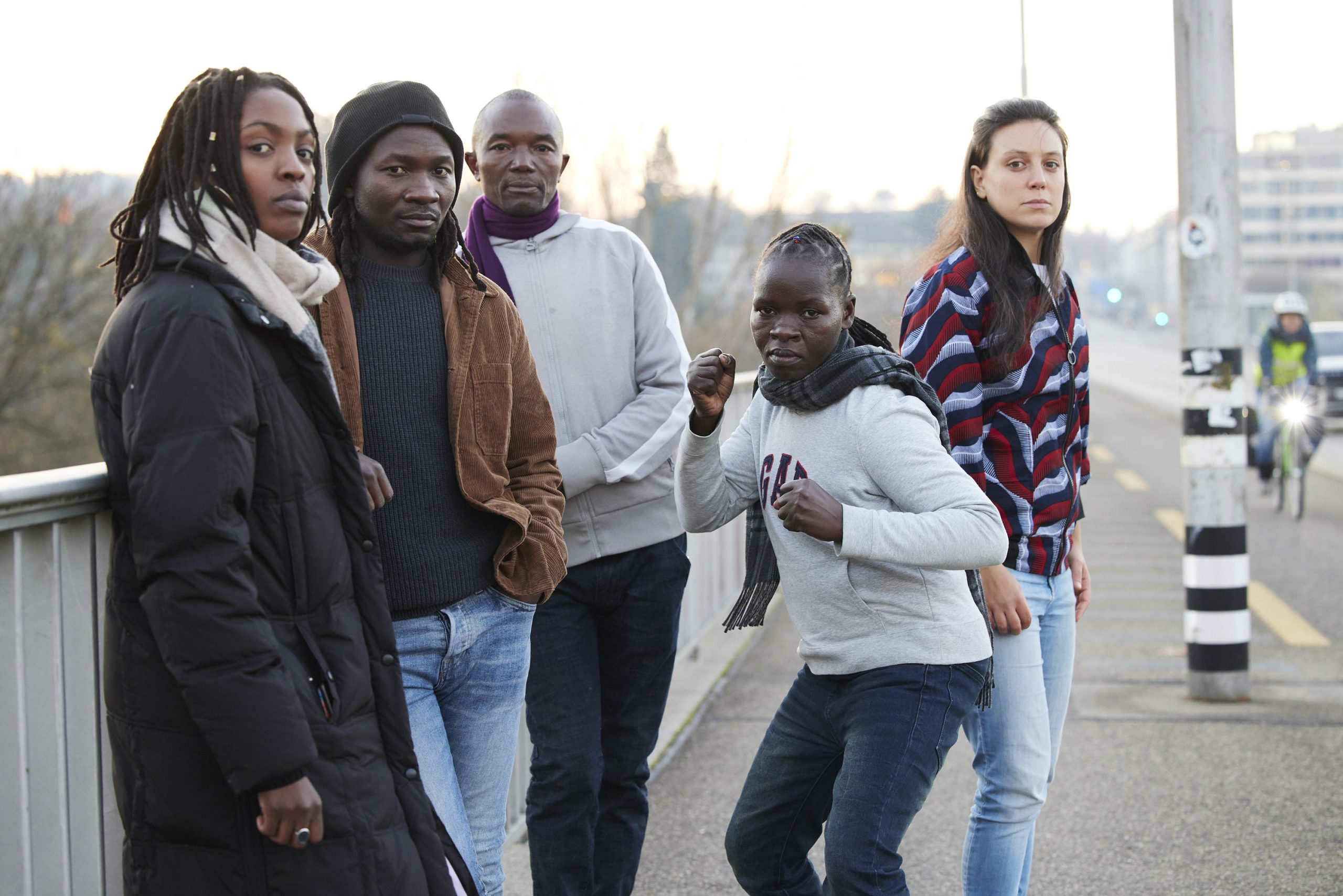
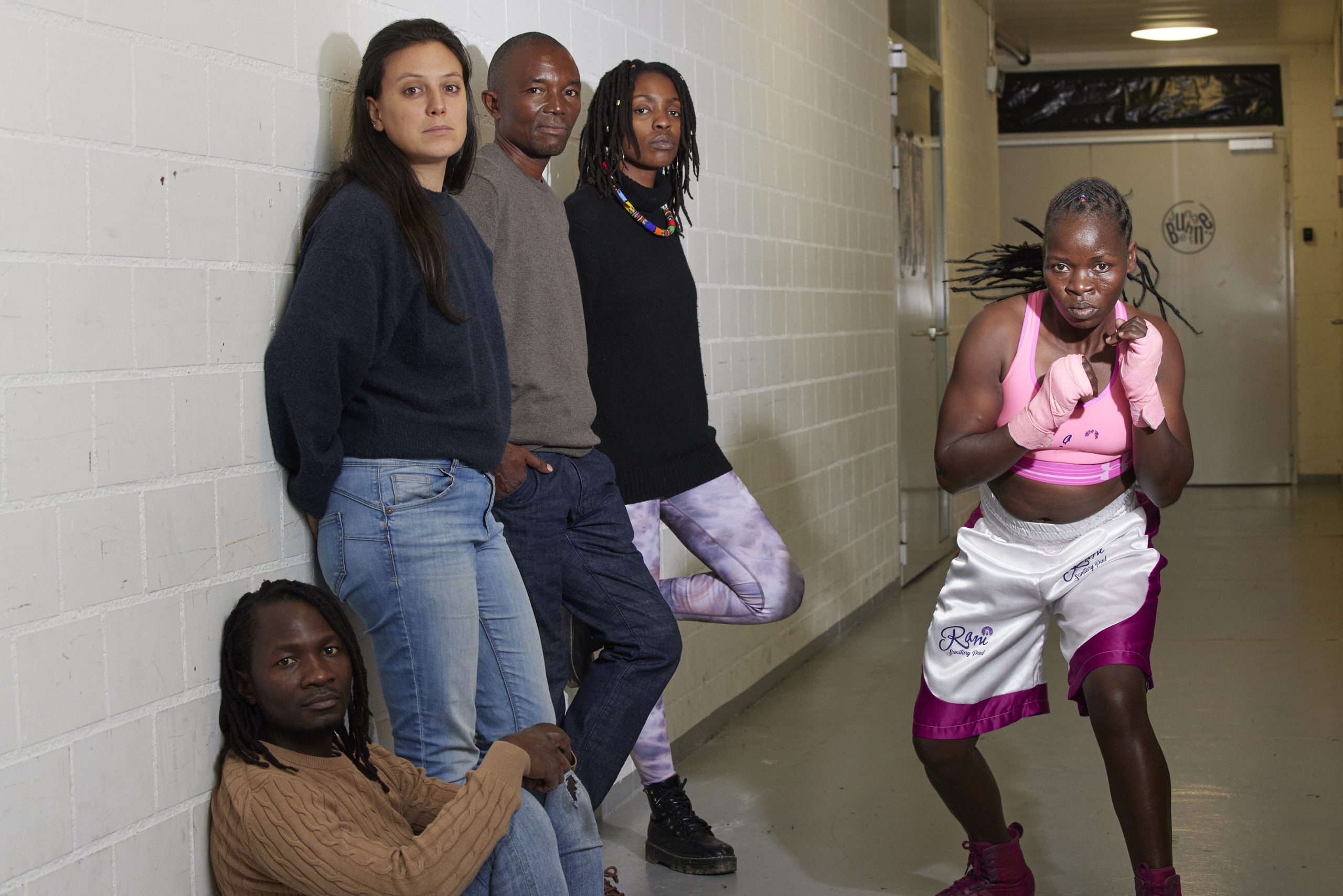
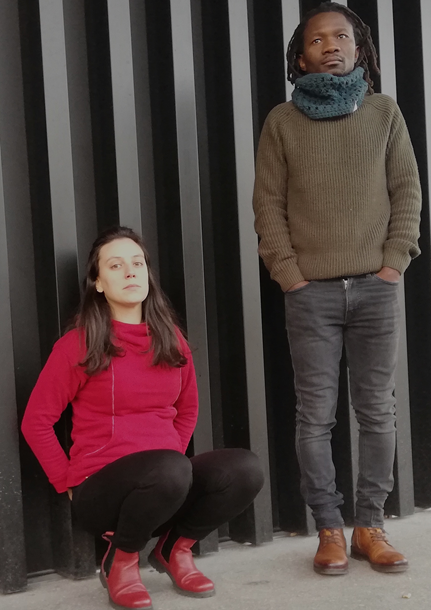
Ivana Di Salvo Artistic direction, Mise en scene, Dramaturgy and Text
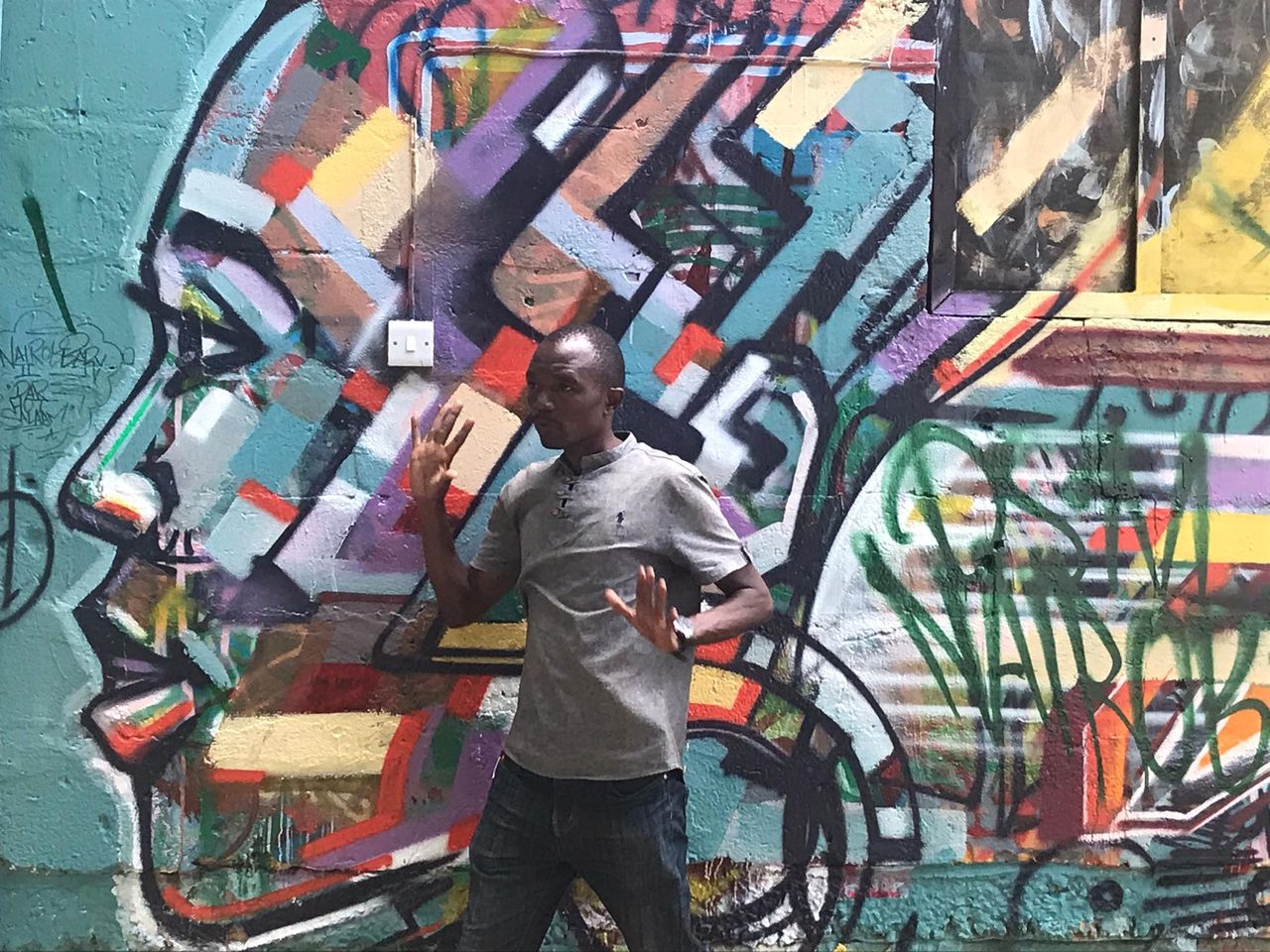
Aloyce Makonde Choreography and movements (Dar es Salaam, TZ)
Cilio Minella Performance and movement research / Sound research
Tadhi Alawi – Performance and movement research
Kihako Narisawa (Association Several Waves) – Artistic consultancy, project management and outside eye
External Advisors & Experts
Pascale Altenburger (Baba) – Outside Eye (CH)
Nadia Beugré – Outside Eye (CI / BF)
Thanks for the support to KASKO, CCHAR, ROXY Birsfelden, Fachausschuss Darstellende Künste BS/BL, Migros Ideation, artlink Südkulturfonds and Schweizerische Interpretenstiftung.
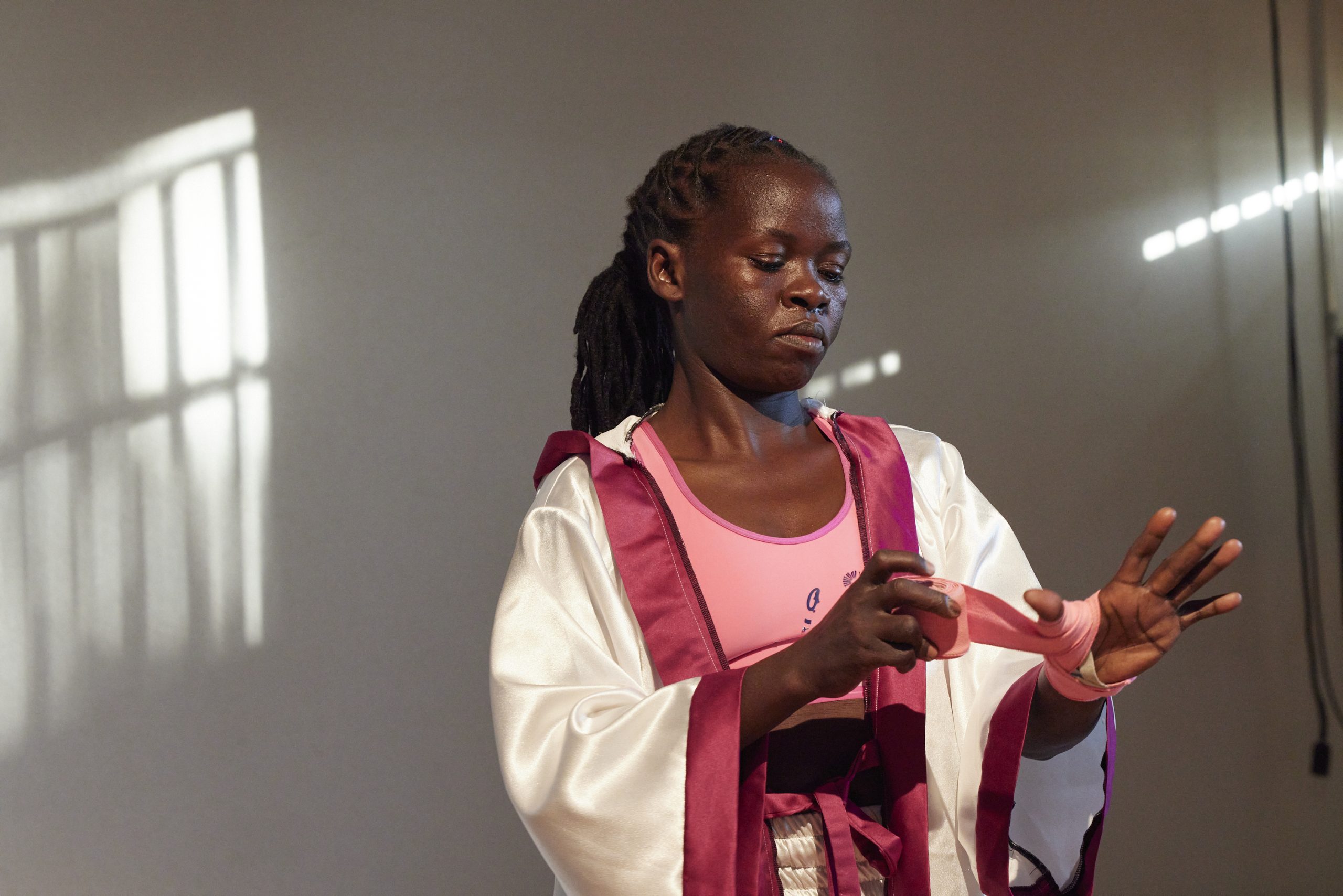
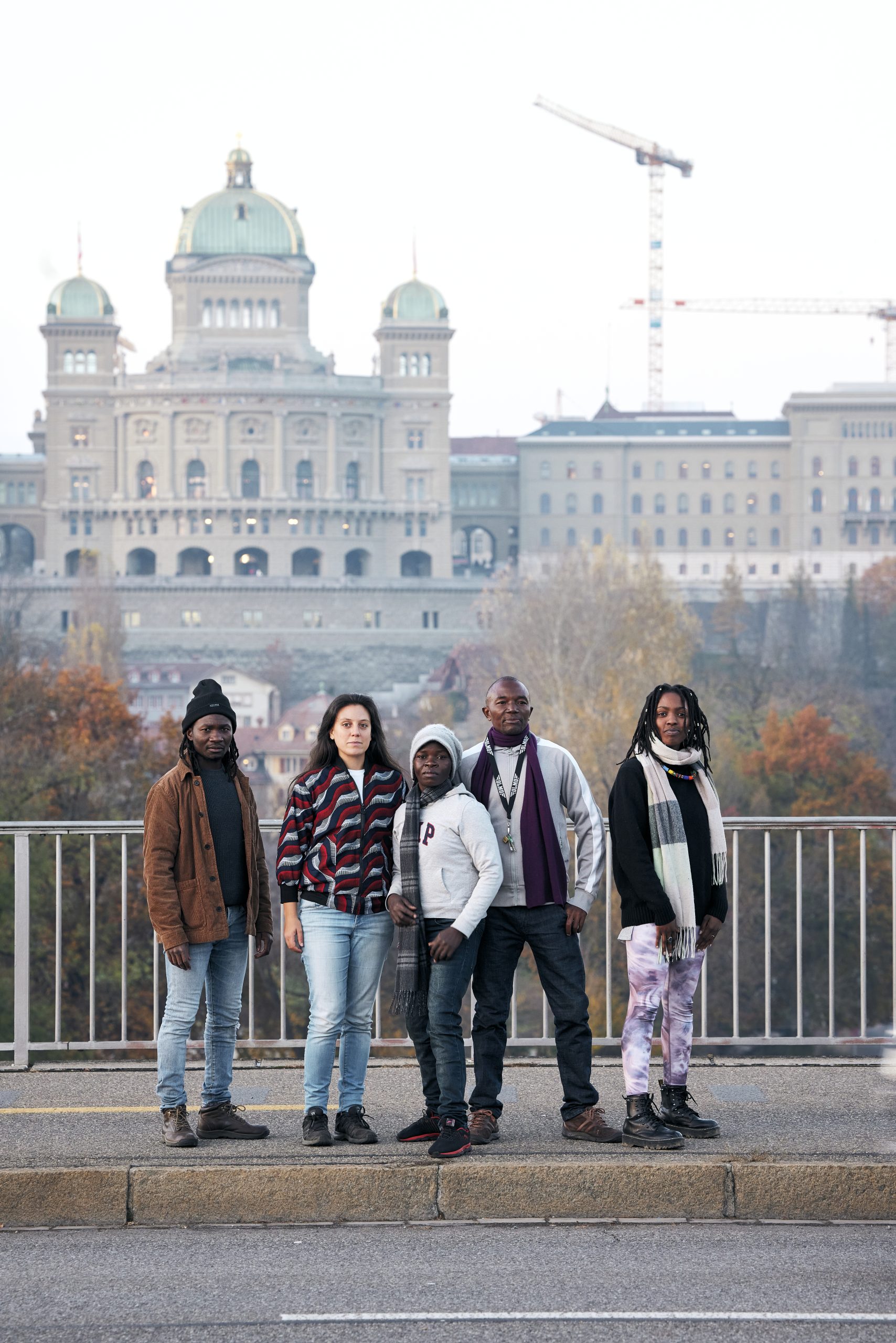
Bega kwa bega is a dance and sound project about a colonial product: chocolate—a symbol with which an entire country, Switzerland, identifies. It is made from cocoa that was historically imported from countries colonized by Europe (including Tanzania). But what is the real connection between Switzerland and Tanzania? Through physical movement, an immersive soundscape, and music, the performance focuses on the contemporary contradictions that resonate in every bite: childhood memories, dieting, images of masculinity and power relations, and ambivalent desires. Chocolate touches the collective memory and deeper layers of the psyche. It contains substances that enhance attention, mood, euphoria, and well-being. It is part of moral mechanisms of consumption such as the desire–guilt and reward systems that reinforce positive behavior and the pursuit of pleasure. This project also explores how an intercultural and transgeographical collaboration between artists from the Global North and South can be further developed. The inspiration for the project arose during a visit to the Silos in Basel—a site that once housed a warehouse where cocoa beans were stored until 1921, serving as a stopover in the cocoa trade between Rotterdam and Switzerland. The performance is developed and presented in urban spaces that resonate with postcolonial themes, in order to address these topics in an accessible way and reach a broader audience that does not usually attend the theater. However, the same performance can also take place in a traditional theater space if it is not possible to find a suitable urban location.
The first phase of ideation and research will take place between February and May 2026 with the following partnerships:
- CCHAR (La Chaux-de-Fonds, CH)
- KASKO (Basel, CH)
- ROXY (Birsfelden, CH)
BEGA KWA BEGA – thanks for the support to





ph. Ivana Di Salvo
THE PROJECT
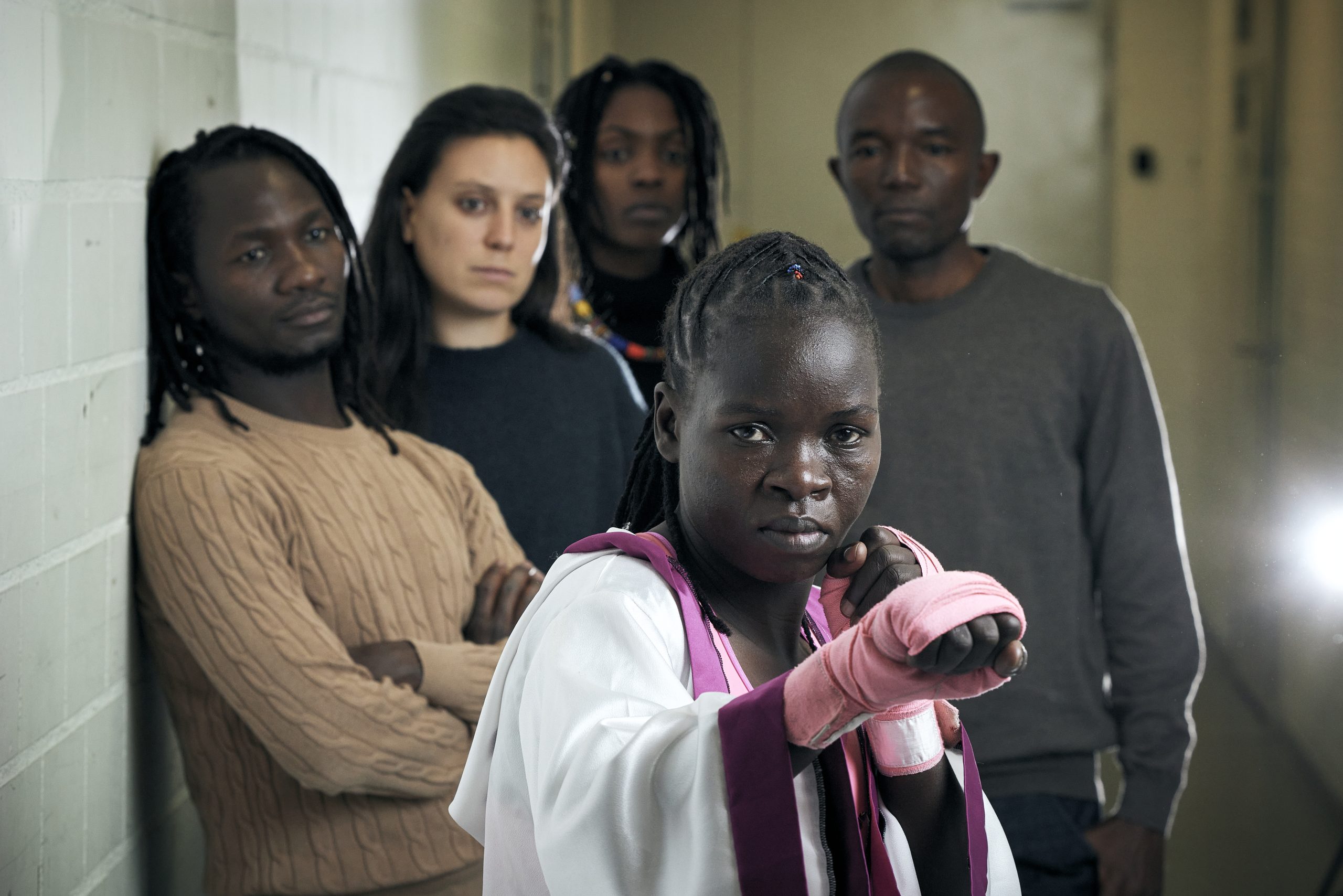
Mawazo – the trailer
Mawazo – performers
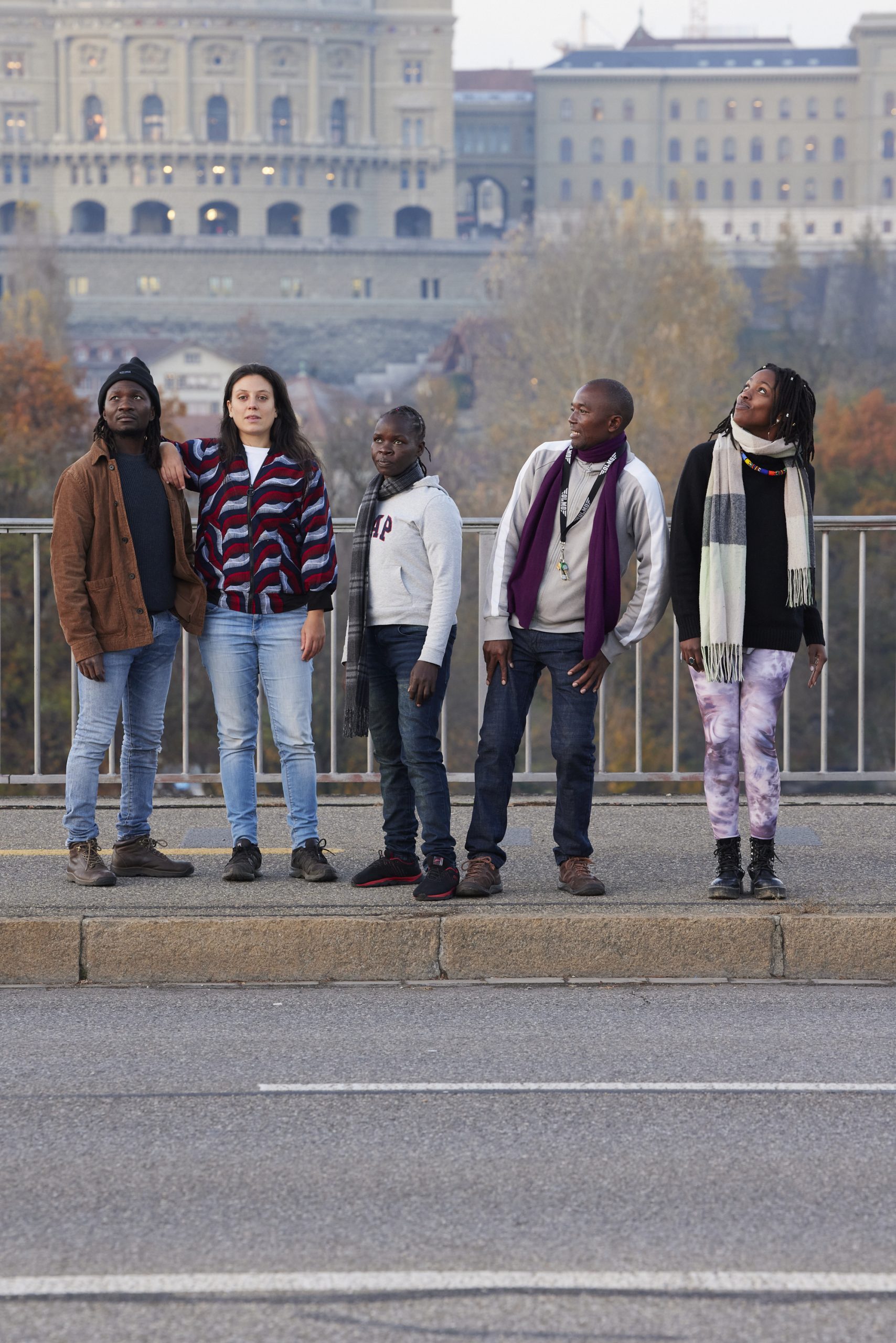
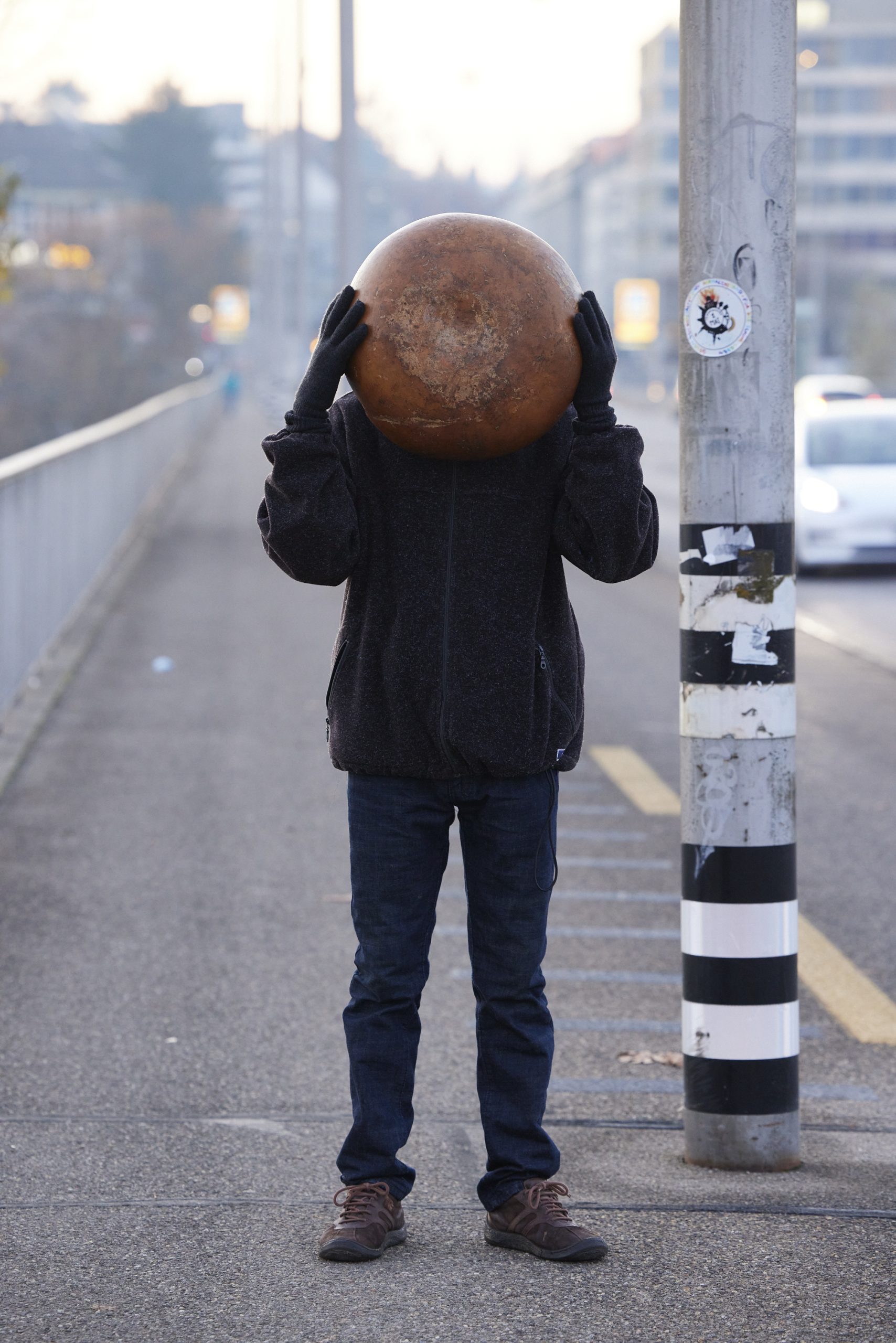
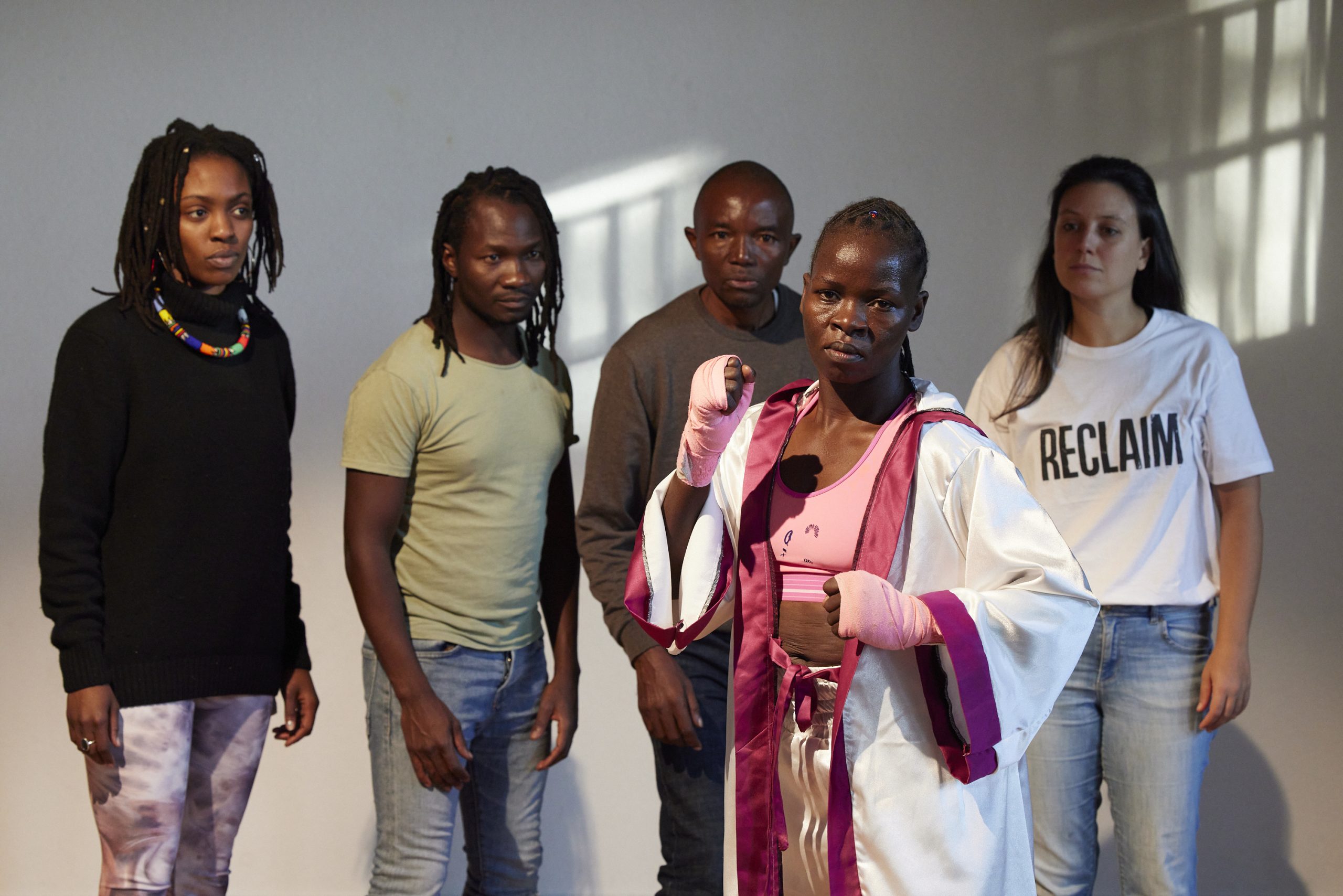
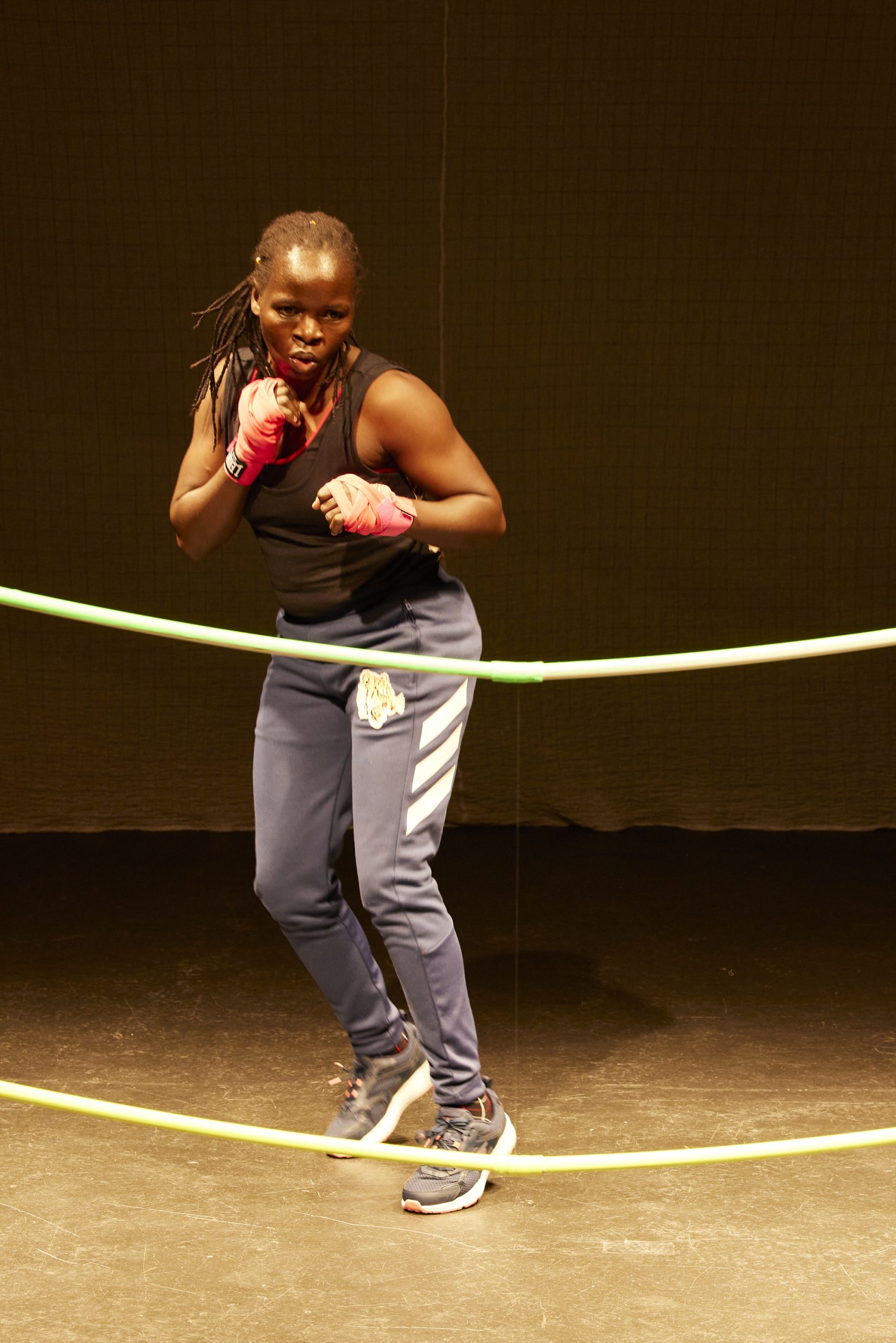
Mawazo – thanks for the support to













Written and directed by Ivana Di Salvo
with Ivana Di Salvo, Ursina Natalia Früh, Dominique Lüdi and Tassos Tataroglou
Choreography Ursina Natalia Früh
Music Tassos Tataroglou
Translation Luciana Valenza and Jacopo G. Nicoletti
Set Photography Luciano Perciaccante and Daniele Camminiti
Produced by Astragalo, Theater Palazzo
Supported by Abteilung Kultur Basel-Stadt, Kanton Basel-Landschaft Bildungs-, Kultur- und Sportdirektion, Ernst göhner Stiftung, Migros Kultur Prozent (Basel und Zurich), Oertli Stiftung, BLKB- Jubiläumstiftung, Ernst Göhner Stiftung, Schweizerische Interpretenstiftung | In collaboration with Istituto di Cultura Italiana (Zurich) and Martina Langmann
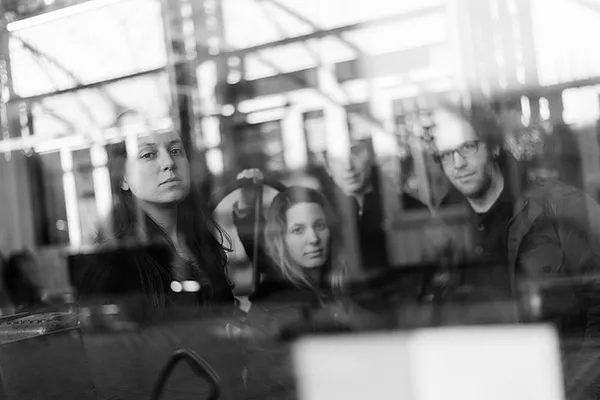
Teulada eagerly wishes a child. Sulcis works in an industry, in the middle of the countryside, among the olive trees. Isolated from the barbed wire that keeps her away from real life. After the shift with her hands stained with explosives, she goes to her flat, walking among ghost ruins of the mining archeology, in which she has no other escape than the creation of objects of death. Anna is a receptionist in a call center, with her headphones on her head she listens to the voices of the people.They are all part of the same family, a family where is strong the sense of eradication for who left, but also for who is staying.
These characters never existed, perhaps they exist. They are like cargo, containers of emotions, of potential lives and desires. Of commodified bodies. They clash, they approach each other, without ever really getting close. Nevertheless they keep each other company. The work on the characters (attention not the text itself!) will be inspired by ”Pedro Paramo” by J. Rulfo in which the characters are a symbol of a coexistence of past and present, of illusion of encounters in eternal and circular time. A crossing throughout bodies and lives.
The restlessness of the main characters, stimulated by the trumpet’s evocative music is an attempt to break out of the conformism that binds them. They search for a meaning in their lives and in doing so to rediscover themselves. This search is both physical as well as profoundly intimate. In addition to family dynamics, it is a story of solitude, in search for the possibility of redemption.
During the research process, Ivana Di Salvo investigated the Sulcis Iglesiente area in Sardinia and conducted interviews with citizens of this area. Italy is still actively involved in the weapon trade, even with countries which are at war. People see themselves forced to embrace the work in these industries there are few other job opportunities. This is not just happening in Sardinia, but all over Europe, even in countries where there could be other job opportunities.
The text by Ivana Di Salvo, is written in Italian and German, two of Switzerland’s official languages. The character of Sulcis speaks Italian, while Teulada and Anna speak German, using only some words or sentences in Italian, as a reminiscence of their past. This aims to encourage a flexibility, offering different perspectives on the story, as well as deepen the empathy for the characters and their vicissitudes. The two languages are used also to investigate incommunicability, distance between people from the same family, and to offer a different perception to the audience: how difficult is to talk when you do not speak the language, how the gesture can change.
Tassos Tataroglou for Deriva is composing sound diaries as an explorative self-portrait. The stile is minimal, the melody and phrasing measured, delicate but deep and penetrating, through the vocabulary of blue notes, microtones, polyrhythms and extended harmonies of jazz and the dissenting tones of the electronic music.
SUPPORT US
PC-Konto/Postal account
53975373
IBAN
CH560 9000 0001 5090 0098
BIC
POFICHBEXXX
Thanks for your support!